Mentorship Goes Both Ways: What We Learn When We Stop Ranking Women by Age
A practical guide to mutual mentorship for women: choose a shared question, agree on boundaries, and learn from each other's experience—not age-based assumptions.
Updated
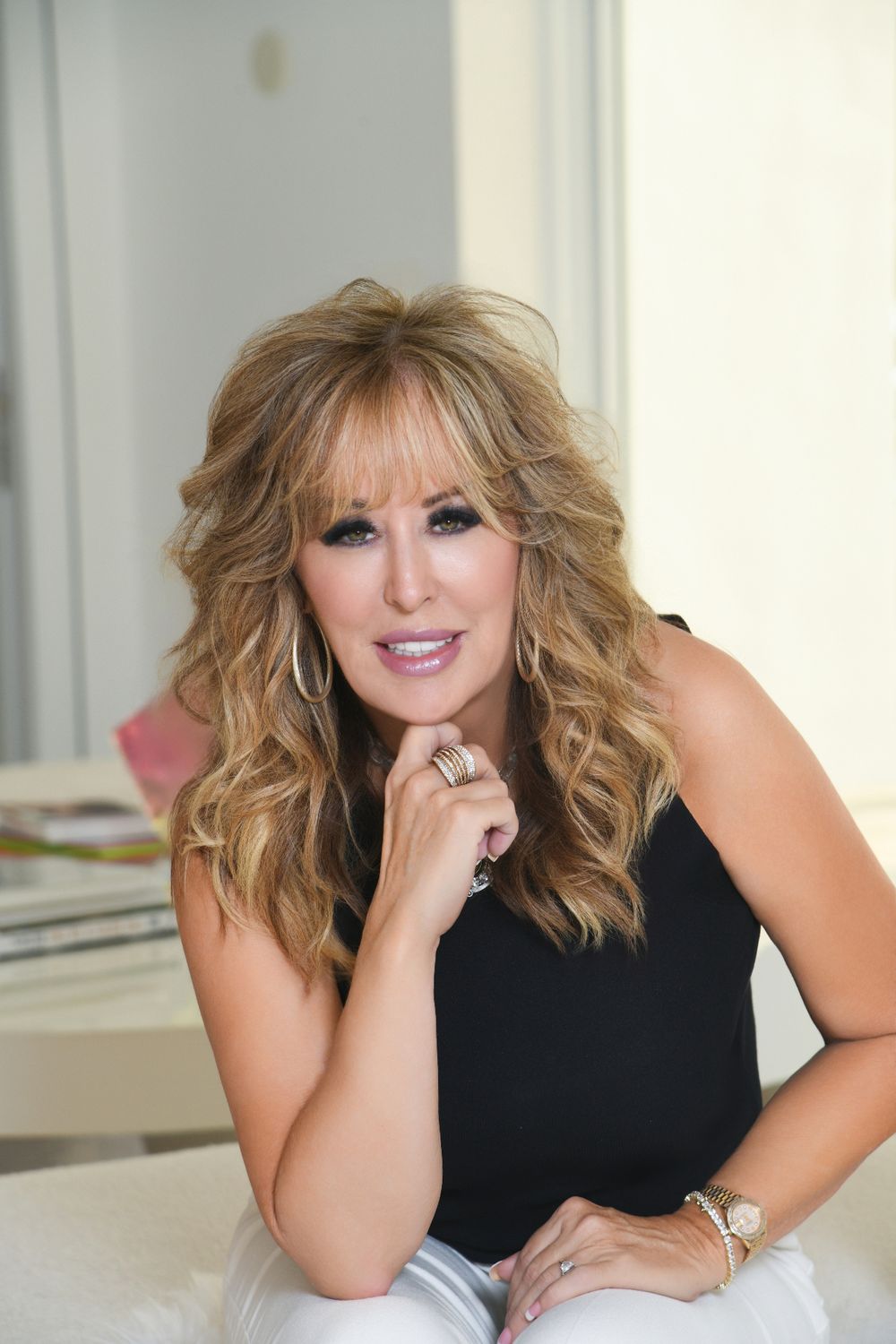
Founder of The Lioness Pride
Mentorship between women can work in both directions. An experienced woman may offer judgment developed through years of leading, caring, or starting over. A younger woman may bring a different view of an audience, a new tool, or a question that changes the conversation. Neither has to diminish the other for both to contribute.
Mutual mentorship does not mean every person knows the same things. It means both people remain willing to learn. Women's empowerment is stronger when receiving advice does not require surrendering your voice.
Model the standard you ask for
“I lead from the front. I don't ask anyone to do what I would not do myself.” — Lisa Copeland
In a mutual mentoring relationship, Lisa's principle can become a useful question: am I willing to offer the same preparation, honesty, and respect that I expect from the other woman? Shared learning works better when neither person places herself above the standards of the relationship.
What is mutual mentorship?
It is an exchange in which each woman can offer relevant experience and receive useful perspective. The focus might change from one conversation to the next. One woman helps prepare a negotiation; the other explains a communication approach she uses in her work.
The exchange does not need to be perfectly equal at every meeting. It should feel respectful, voluntary, and clear enough that neither person is expected to provide unlimited help.
Choose a shared question
“How can I prepare for this conversation?” is more useful than “Tell me how to live my life.” Specific questions give the relationship focus and protect both women from unrealistic expectations.
Ask what kind of support is wanted. Ideas? Feedback? A practice run? Someone to listen? Do not assume a difficult story is an invitation to give advice.
A useful opening might be: “I would value your perspective on this decision. Is there something you are working on that I could help you think through too?” Offer your help honestly, not as a requirement that the other person repay you.
Agree on how the relationship works
An informal connection might be one conversation or an occasional check-in. Discuss availability instead of assuming it. Twenty focused minutes can be more useful than an open-ended promise that becomes difficult to keep.
Decide what remains private. Ask before sharing someone's work, making an introduction, or using her story in a public post. A mentoring conversation is not permission to turn someone else's life into content.
A simple conversation agenda
Use this as a flexible starting point, not a performance test:
- Begin with what each woman is learning or working toward.
- Choose one question to explore together.
- Ask clarifying questions before offering suggestions.
- Share a relevant experience and explain its limits.
- Agree on one next action, if an action is needed.
- Decide whether another conversation would be welcome.
Leave time for the person receiving guidance to explain what was useful and what remains unclear. Good advice may still need translating into her own circumstances.
Watch for signs the exchange needs adjusting
The relationship may need a reset if one person consistently leaves unheard, private details are shared without consent, or advice becomes pressure. You can name the issue kindly: “I value our conversations, but I need us to discuss options rather than decide for each other.”
If the request requires medical, legal, financial, or mental-health expertise, acknowledge that limit and suggest qualified support. Friendship and encouragement are not substitutes for professional care.
Either woman can decline a request or pause the relationship. A boundary is not a failure of generosity.
Where can you begin?
Start with women you already know through work, community activities, church, or existing friendships. Choose a topic that matters to both of you. If you meet someone through a group, respect its rules and ask before moving the conversation into a private exchange.
The Lioness Pride's multigenerational vision celebrates women over 50 as leaders and legacy builders while welcoming younger women's insight. It encourages shared wisdom and connection; it does not currently provide a formal mentor-matching service.
This week, ask one woman, “What have you learned recently that changed your mind?” Share your answer too. Curiosity keeps both of you from becoming trapped in a role.
Continue with Wisdom Across Generations and Mentoring the Next Generation of Women Leaders. Find a conversation to join through upcoming Pride gatherings.