Wisdom Across Generations: Why Every Woman Needs a Seat at the Table
Women's leadership grows when experience and fresh perspective share the table. Practical ways to build trust and exchange wisdom across generations.
Updated
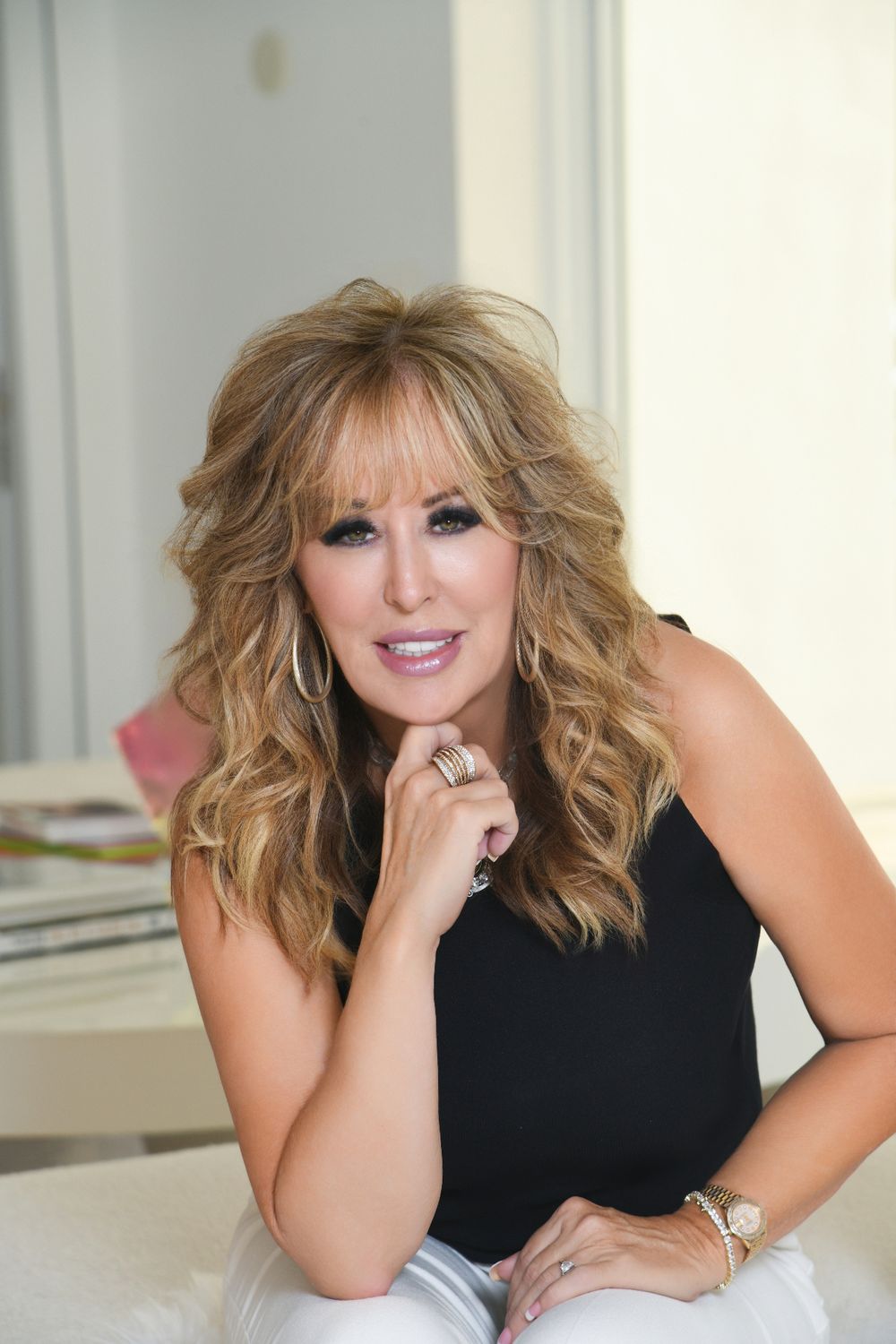
Founder of The Lioness Pride
Women's leadership across generations begins with a simple choice: make room for more than one perspective. A woman who has built a business through difficult seasons sees things a first-time founder may not yet see. A younger woman entering the same industry may notice assumptions the veteran has stopped questioning. Neither perspective is complete on its own.
That is the heart of a multigenerational Pride. Not older women speaking while younger women listen. Not younger women moving forward while everyone else steps aside. A table where lived experience and new possibilities belong in the same conversation.
Lead with the example you set
“I lead from the front. I don't ask anyone to do what I would not do myself.” — Lisa Copeland
Lisa's principle brings accountability into the conversation about women's leadership. Experience does not exempt a leader from the standards she asks others to meet. Across generations, trust has room to grow when the person making a request is willing to share the responsibility.
What does empowerment across generations look like?
Empowerment is more useful when it describes an action. It can mean being heard in a meeting, having information needed for a decision, practicing a difficult request, or finding the courage to contribute an idea. Encouragement matters; access, respect, and follow-through matter too.
For an experienced woman, that might mean inviting someone else to present her own work rather than speaking on her behalf. For a younger woman, it might mean asking a thoughtful question without apologizing for being new. The goal is participation, not permission handed down by age.
Begin with curiosity, not assumptions
Instead of leading with “Here is what you should do,” ask “What are you trying to build?” Find out what has changed, what feels difficult, and what support would actually help. A woman deserves to be understood before she is instructed.
Avoid deciding that an older woman dislikes technology or that a younger woman lacks commitment. Ask about the person's skills and circumstances. Life stages can shape responsibilities, but they do not tell you everything about someone.
Try these conversation starters:
- What are you working toward in this season?
- What have you learned recently that changed your mind?
- Which part of this decision would benefit from another perspective?
- What experience or skill would you like to share?
Share the decision behind the lesson
If you are the more experienced woman, explain the trade-off you faced. What did you misunderstand? What information did you lack? What would you do differently now? Honest context gives another woman something she can adapt, rather than a rule she must obey.
If you are the younger woman, bring your perspective without treating it as a challenge to someone else's worth. You can respect experience and still ask a different question. You can learn from a mentor and teach her something in return.
Build a shared project small enough to finish
A relationship does not have to begin with an ambitious commitment. Choose a manageable task: review a short presentation together, compare two ways of approaching a community project, or exchange feedback on a page of writing.
For example, two women planning a discussion might divide the work according to their actual strengths. One brings experience facilitating a sensitive conversation; the other brings ideas about reaching the intended audience. They agree on the goal, make space for disagreement, and review what worked afterward. This is an illustrative approach, not a report of a Pride program.
Make an introduction with care
An introduction can help someone reach useful experience or information. Ask both women before connecting them, explain why the conversation might be relevant, and avoid promising an outcome.
Be clear about the request. A brief conversation about an industry is different from asking for a job or a long-term mentoring commitment. Respect the answer, including a polite no.
Your next step this week
Invite a woman in a different season of life into one real conversation. Ask what she is working toward and share something you are learning. Leave with a specific offer only if it fits: an introduction, feedback, or another conversation.
One coffee does not create a lifelong obligation. Friendship does not have to become a formal mentorship arrangement to matter. The Lioness Pride's vision is shared wisdom and meaningful connection; it does not currently include a formal mentor-matching service.
Wisdom across generations is not a slogan about age. It is a choice about how we treat one another. Every woman brings something worth hearing. The work begins when we make enough room to listen.
Read Mentoring the Next Generation of Women Leaders, explore Mentorship Goes Both Ways, or see the Lioness Unleashed Book Club.